
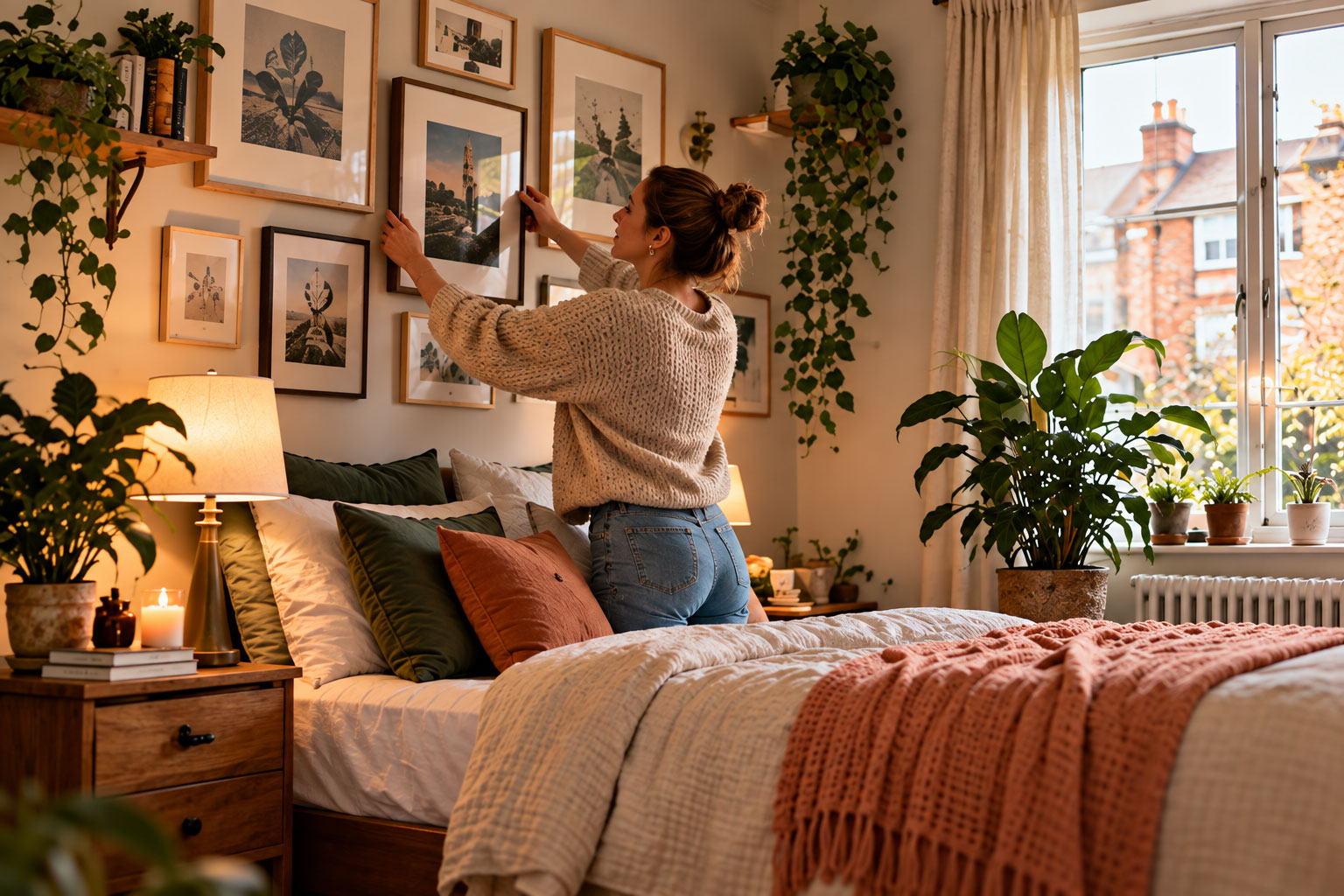
Moving into a rented property can be exciting, but it can take time to feel at home. Perhaps the walls are a colour you wouldn’t have chosen, the lighting feels a little harsh, or you’re unsure what you’re allowed to change. The good news is that creating a cosy home rarely starts with a major renovation. It starts with the things that make a space feel like you.
Here are some simple ways to make a rented house or flat feel welcoming, personal and comfortable, whether you’re staying for a year or hoping to settle in for longer.
Start with the feeling you want
Before buying anything, think about what “cosy” means to you. Is it a quiet corner to read in, a dining table where friends gather, or a bedroom that helps you switch off? Choose two or three words to guide you — perhaps calm, colourful and welcoming. They’ll help you avoid spending money on things you don’t really love.
You don’t need to style every room at once. Begin with the place where you spend the most time and build from there.
Soften the space with textiles
Rugs, cushions, throws and curtains can change the mood of a room without changing the property itself. A generous rug can warm up hard flooring and make a living area feel more defined. Layer a throw over the sofa, add cushions in colours you love, and choose bedding that makes the bedroom feel like a retreat.
If the property came furnished, textiles can help you work with furniture that isn’t quite your taste. Check how any curtains or blinds are fitted before replacing them, and store the originals carefully if you agree a swap with your landlord.
Find beautiful furniture without spending a fortune
If you need to buy furniture, making a rented place feel like home doesn’t have to mean paying showroom prices. Facebook Marketplace and local community groups can be full of lovely pieces being sold for very little. A solid wood table, a characterful armchair or a useful bookcase might be waiting just down the road — and some people even offer items for free when they need the space.
Take your time and look for pieces you genuinely like and can take with you to your next home. Measure the room, doorways and stairs before arranging collection, and check the condition in person where possible. With a little patience, second-hand finds can give your home more character for a fraction of the cost.
Use lighting to create warmth
Overhead lights can make even a lovely room feel stark. Table lamps and floor lamps bring a softer glow and let you light the corners where you actually relax. Warm-toned bulbs and a small lamp by your favourite chair can make a surprising difference.
Choose safe, freestanding options, keep lamps away from fabrics, and follow the manufacturer’s instructions for bulbs and electrical items. If you want to change a fixed light fitting, ask your landlord first and use a qualified professional where needed.
Put your personality on display
A home starts to feel yours when it reflects your life. Display photographs, favourite books, art, ceramics or souvenirs from places you love. A shelf or sideboard can become a little collection of things with stories behind them.
For wall art, check your tenancy agreement before using hooks, adhesives or fixings. Even products sold as removable can leave marks on certain surfaces. If wall mounting isn’t an option, try leaning framed prints on a shelf or placing them on a mantelpiece.
Bring in plants and natural textures
Plants add life and colour to a rented home, and there are options for bright rooms and shadier corners alike. A leafy plant, a vase of seasonal flowers or a few herbs on the kitchen windowsill can make the space feel cared for.
Wood, woven baskets, linen and ceramics can add warmth too. Use saucers beneath plant pots and protect surfaces from water damage. If you share your home with a pet, check that any plants you bring in are safe for that animal.
Make the layout work for your life
You may not be able to change the floor plan, but you can often change how a room feels. Move a chair towards the window, use a bookcase to define a work area, or make a small entryway more useful with a freestanding shoe rack and a basket for keys. Measure first, and ask for help moving heavy furniture.
If your home is furnished, keep an inventory of anything supplied with it and agree with the landlord or agent before removing or storing items. Sometimes a small rearrangement is all it takes to make the space work better.
Ask about changes you’d really value
If you’d love to paint a wall or make another lasting change, it’s worth asking. Explain what you’d like to do, share the colour or materials, and agree in writing who will pay and whether the property should be returned to its original condition when you leave. Check your tenancy agreement before decorating or making alterations. Government guidance for private renting in England advises tenants to get their landlord’s permission before attempting decorating.
An open conversation can make the home work better for both you and your landlord. It also helps avoid a surprise at the end of the tenancy.
Make room for everyday comforts
Cosiness is about more than how a home looks. It might be a blanket within reach, a clear spot to have breakfast, somewhere to put your shoes after a long day, or a comfortable place for your pet to curl up. Those little routines turn a property into a place you look forward to coming back to.
You deserve to feel at home where you live, even if you don’t own it. Start with one corner, make it your own, and let the rest grow from there.
At TenantVoice, we believe tenants’ experiences matter. What’s the one thing that made your rented place feel like home? We’d love to hear your ideas.
Rent with your eyes open.

Founder, TenantVoice